
A tradition is not just the combination of what a people need and what they have. More than that, it is the materialisation of how they see the world and what they do with it. How they find joy in their daily lives, how they please themselves and satisfy their appetite.
Similarly, vlaai is a reflection of the landscape, of technological developments, of wars being waged and new cultures being introduced. But rather than just evolving from these factors, vlaai is also being created each and every time by the imagination of the people making it. Cinnamon goes with rice pudding, not with custard-crumble. Plum halves are laid out concentrically over the dough forming a rhythmic pattern. Roughly cut apple slices are covered with a thin layer of dough, looking more appetising and adding to their cooking. In this way, vlaai is made by people as much as it is necessitated by circumstances.
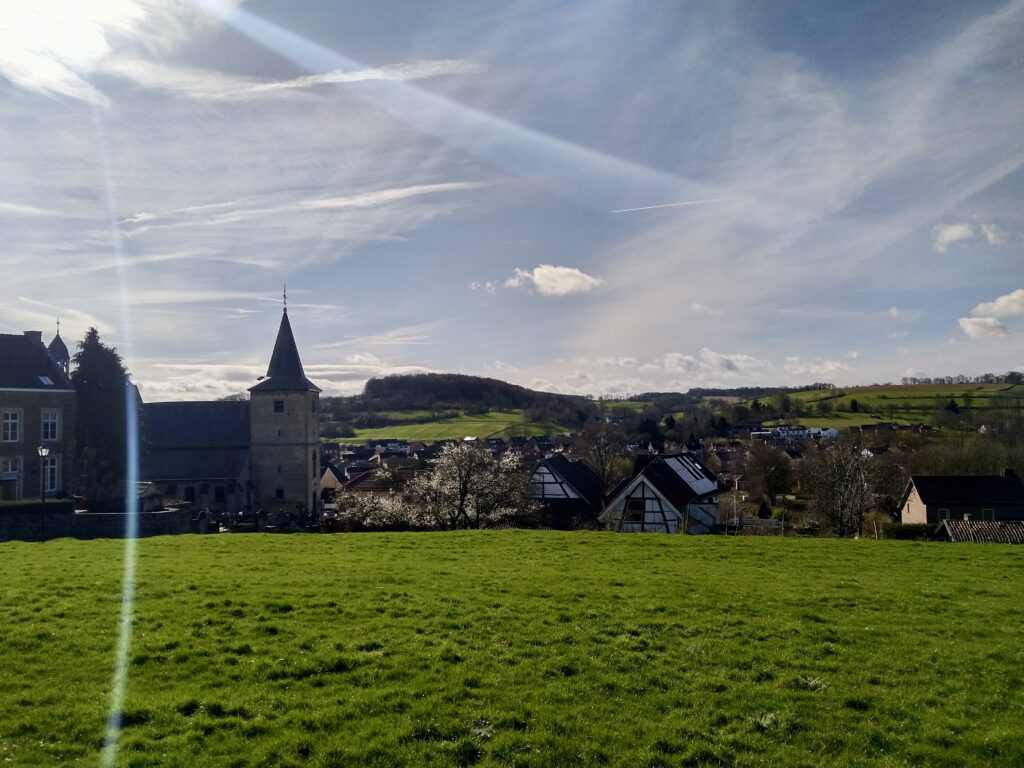
Looking for the nature of vlaai, therefore, is looking for the nature of a people: complex and multi-faceted, not uniform, nor a closed unit. There are more ways to make vlaai than the tens of words the Limburgish language has for weak coffee. Limiting “Limburgish” vlaai within the borders of the Belgian and Dutch provinces of Limburg would also be misleading and discard the foreign influences that made vlaai into the pastry we love today.
The area that is now Limburg, over the centuries, has been occupied by different powers and realms, the specifics changing all the time: the Holy Roman Empire, Liège, Austria, Prussia, France, Spain, the Netherlands). Its people and culture have been and are constantly transforming, not just from political powers, but also from other connections: its Catholic religion, trade, the ceramics and coal mine industry, migration, to name a few.
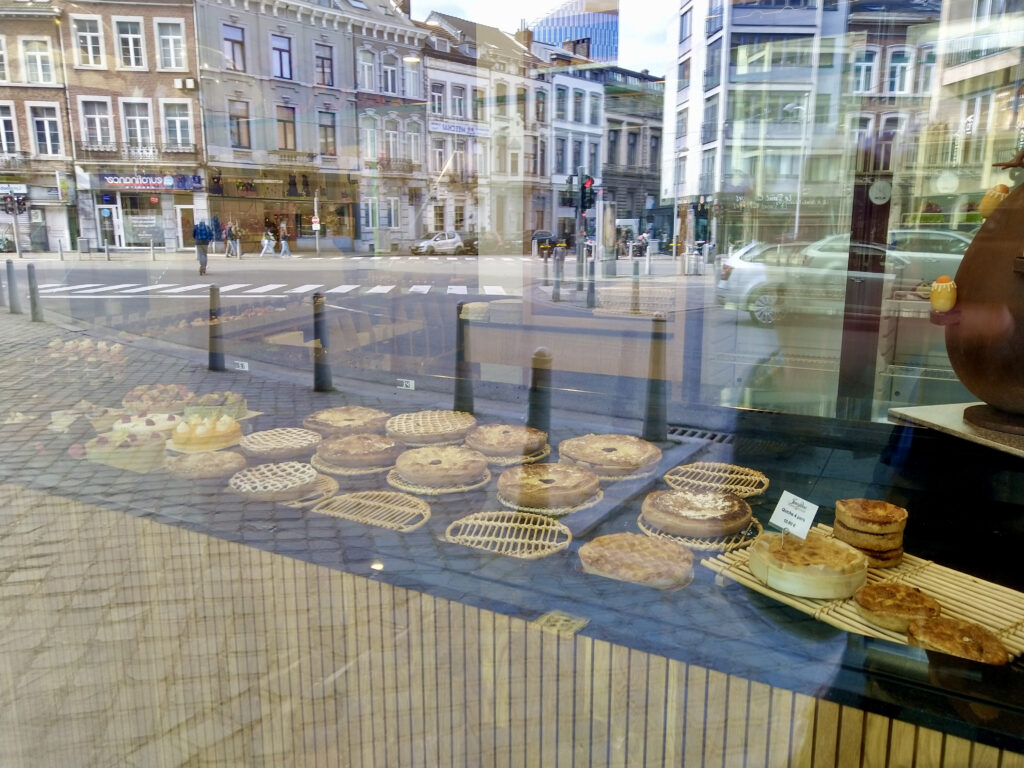
Up until about a hundred years ago, my forefathers and mothers looked mostly south or east for work, for culture, for religion. My great grandfather participated in singing concourses in Liège and Aachen. My grandfather, as a boy, worked for a farmer just on the other side of the (Belgian) border. At about the same time, my grandmother was sent to family in Wallonia (Belgium) to learn French, as her parents were planning to move there in a search for land to continue their farm with the city of Maastricht expanding. They had French names, used German expressions, Limburgish was their mother tongue and even my mother did not speak Dutch before going to school.
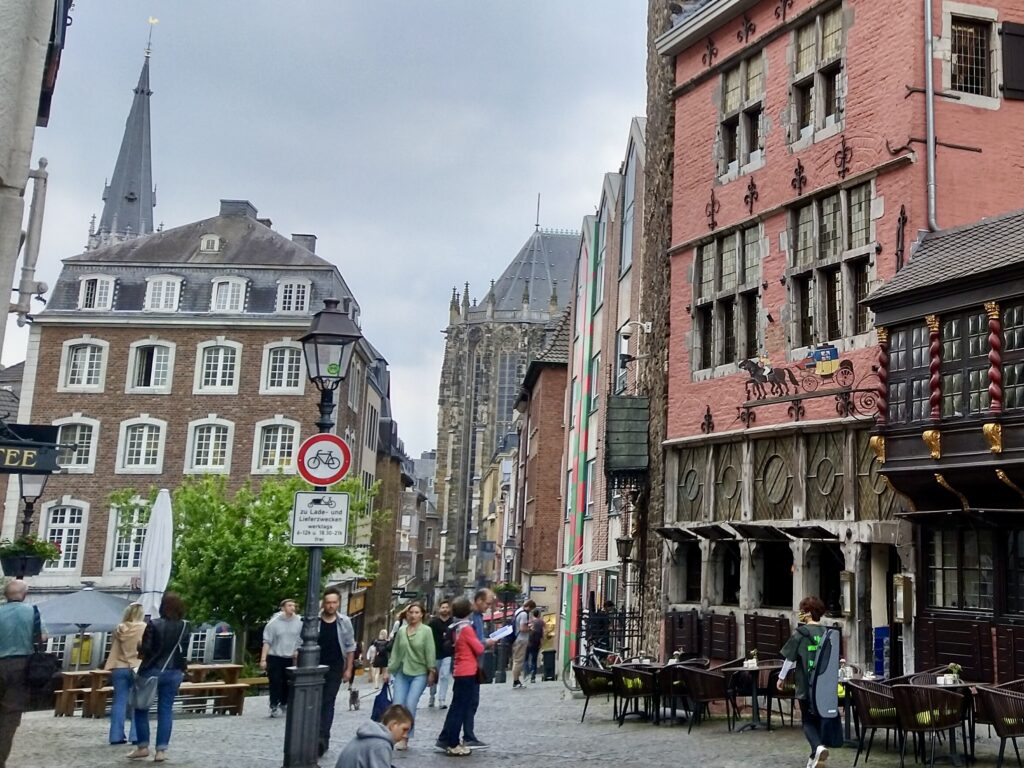
The last hundred years, however, Dutch influence has taken more hold over the area. Even during my lifetime, in the last couple of decades, I have noticed the south of Limburg becoming more and more Dutch and more distinct from Belgium or Germany, as each country implemented its own standardised infrastructure into the farthest corners of their respective areas.
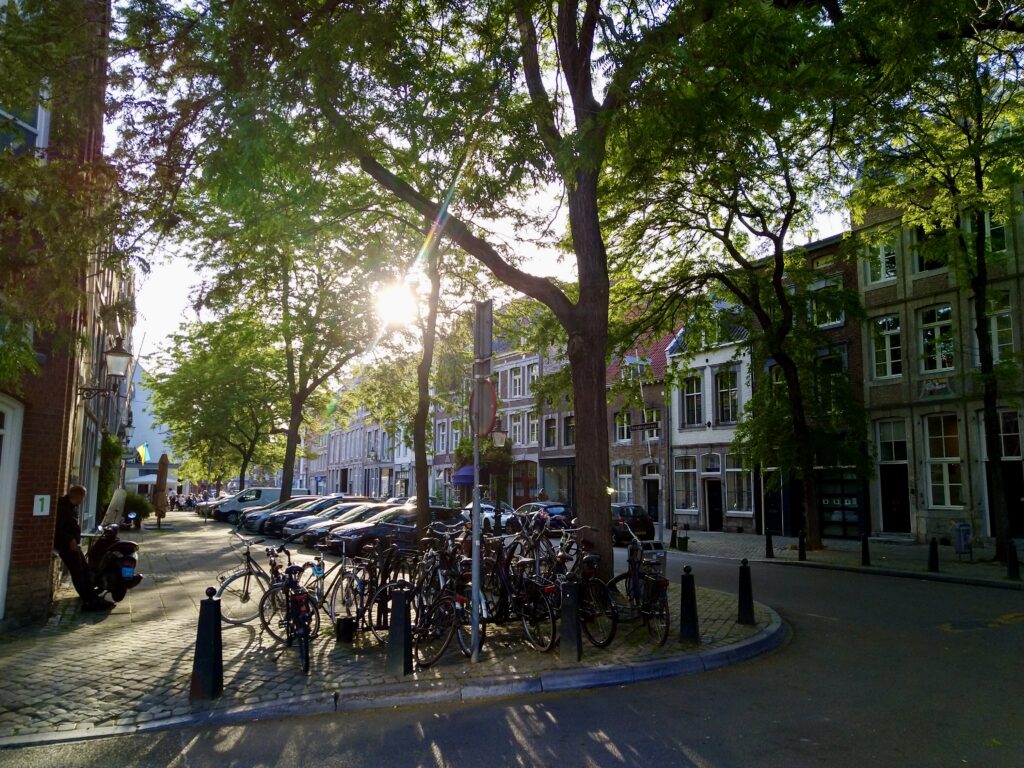
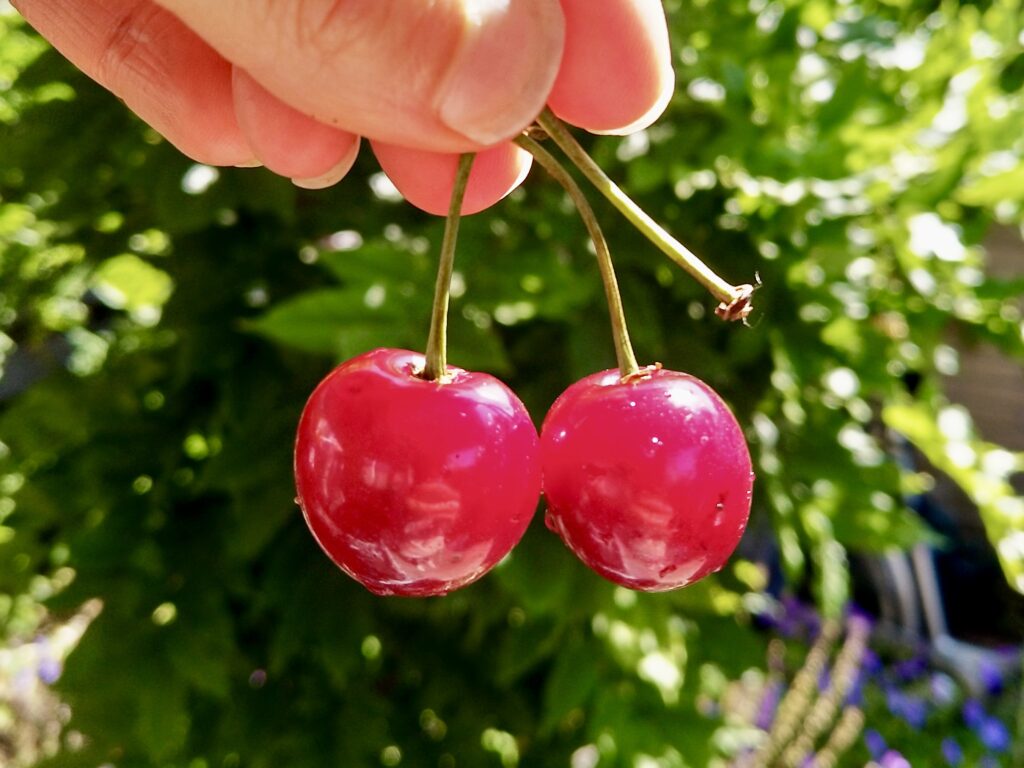
The exploitation of the coal mines brought Dutch civil cervants. The arrival of a university to the city of Maastricht brought students and teachers from up north and abroad. Local shops were replaced by national chains, changing the availability of products. The regional cheese (known as remoudou or fromage de Herve), today, is imported from Belgium as it is forbidden in the Netherlands to let cheese age in (untiled) caves or spaces. Also sour cherries and its preserves have become harder to get by, as they are unpopular in other parts of the Netherlands, yet are easily available just across the border in Germany.
Yet, vlaai, as baked in the south of Dutch Limburg, still shows how Limburgish cuisine belongs with the more southern and central European cuisines. Vlaai’s shape (large, round and flat) reminds of French, Austrian and Italian tarts, with a vlaai variety with a sweet crust butter dough (“linzenvlaai” or “tourte”) filled with jam or dried fruit paste, similar to Austrian Linzertorte, Italian crostata and Greek pasta flora. From the fruits and puddings it is filled with to the way it is decorated and served, vlaai is firmly rooted in southern traditions.
The last years, however, more and more bakers from western and northern parts of the Netherlands are settling in Maastricht and the surrounding countryside. They add their take on Limburgish vlaai to the existing commerce, taking different approaches to how they source ingredients, shape and bake their vlaai and market it. This means that, perhaps in the future, vlaai too will become more and more Dutch.
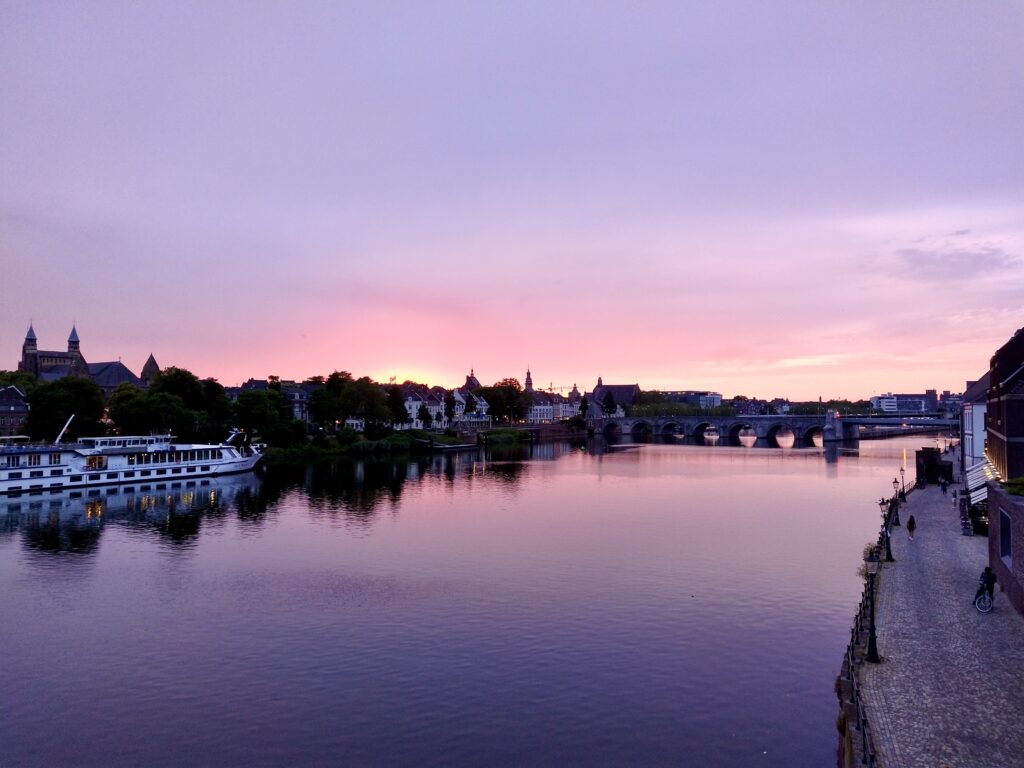
Vlaai, and any tradition for that matter, transforms with the needs, circumstances and tastes of the generations, of the people taking part in it, honouring it, rebelling against it, going back to it. To me, vlaai is a delight to enjoy, but it also roots me, making it, smelling it, tasting it. Kneading the dough I can feel my grandmother and mother’s hands kneading, as if I am guided by the people before me, positioning me in the universe, a GPS for my soul. It calms me down and makes me feel protected, trusted to add my own chapter to the story.
More about my vlaai and taking it into the future, in the next part of this miniseries. Stay tuned!
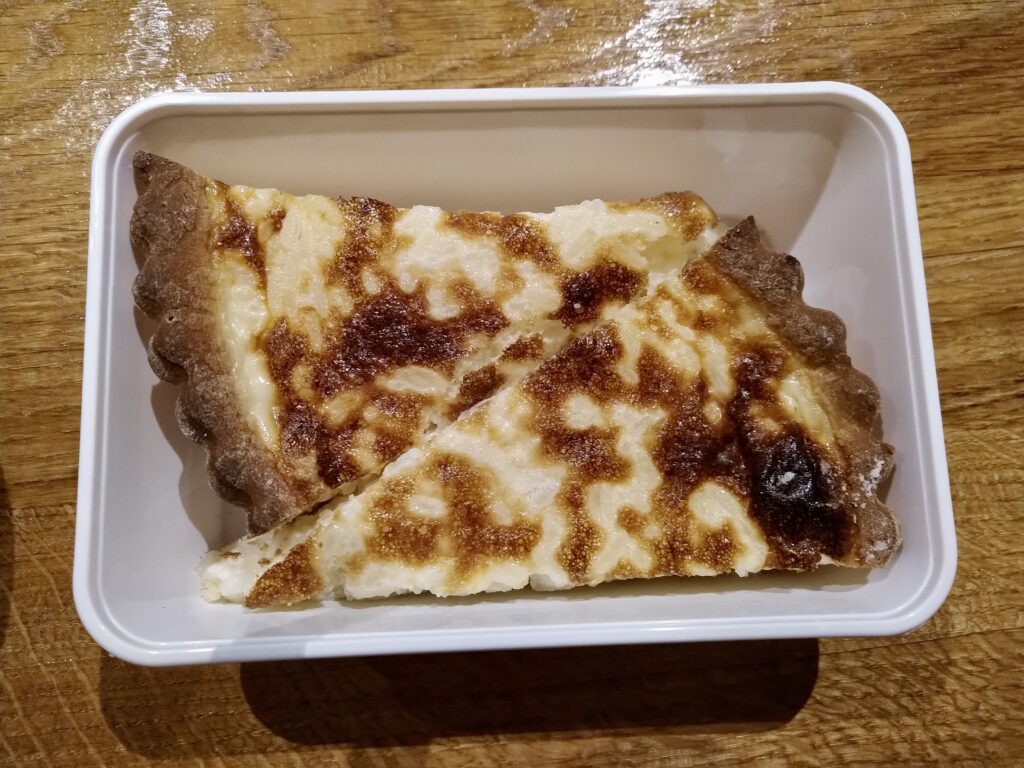
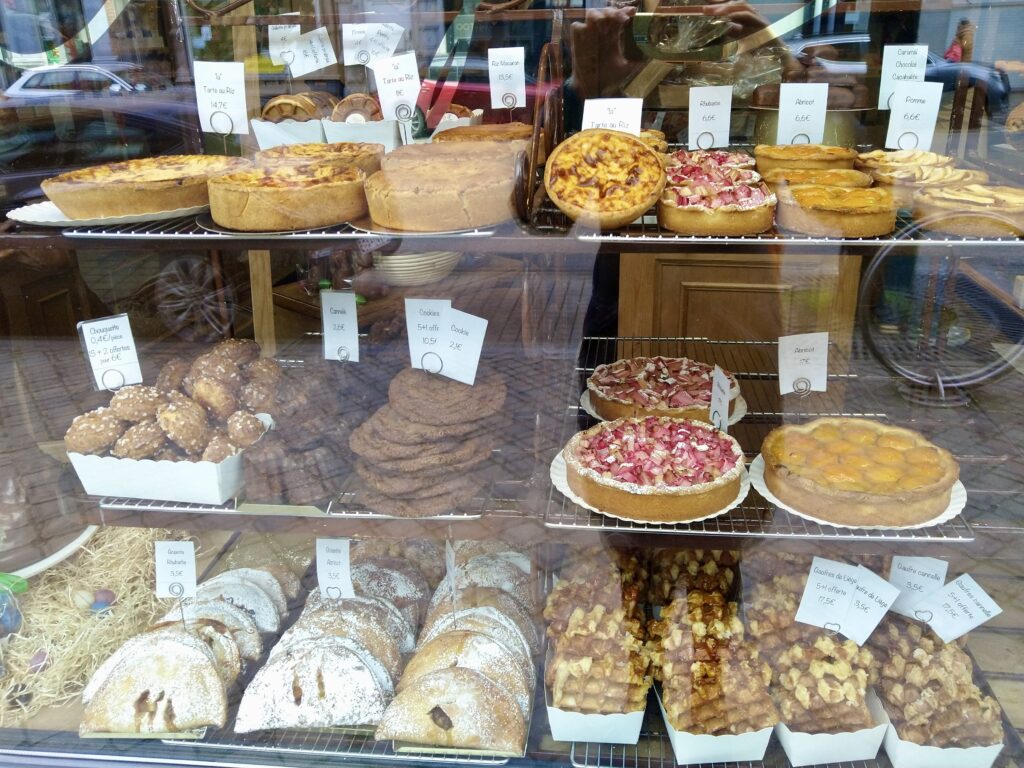
The featured image shows the window of another patisserie in Liège, renowned for its rice vlaai (tarte au riz). If you look closely (top shelf) you can read the signs saying ‘”la” tarte au riz’. The one and only. Also in my family, vlaai filled with rice pudding is usually considered the queen of them all.
Amazing how much history is embedded in a slice of vlaai.
Yes, I agree. Thank you.